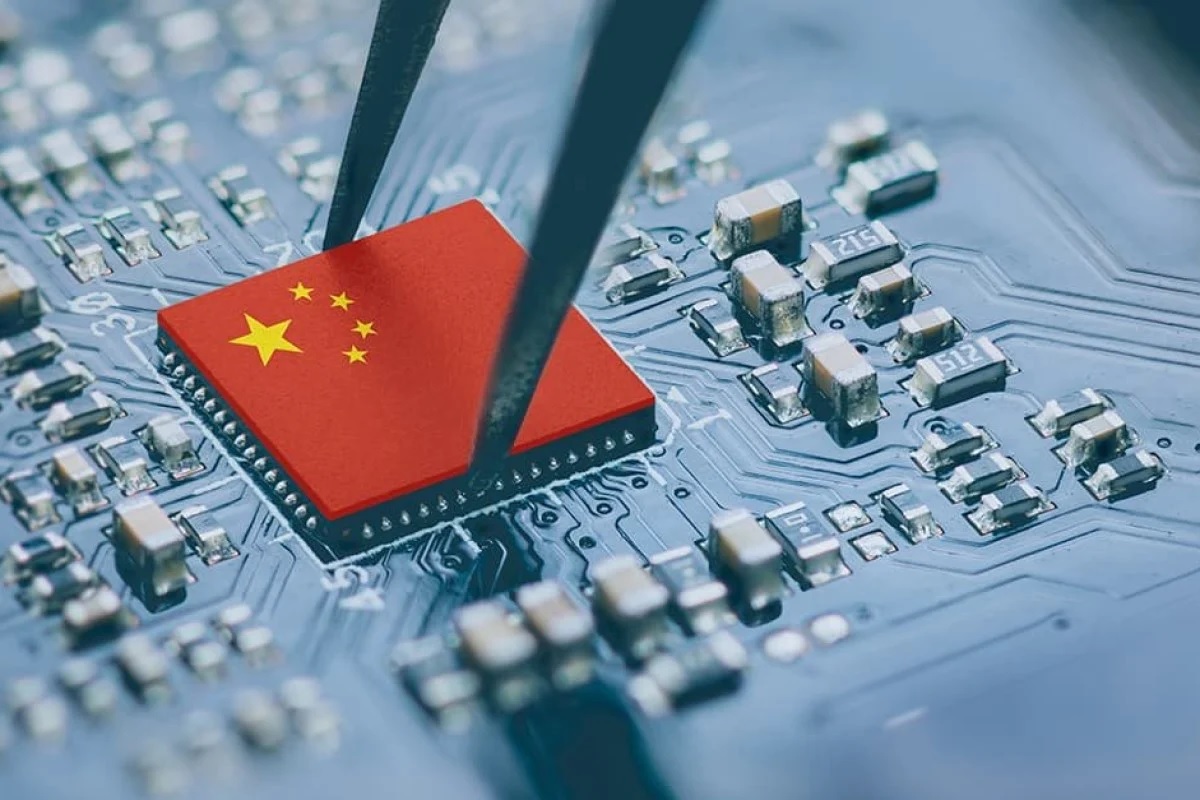
Tech export tensions, global semiconductor stakes
China’s Ministry of Commerce publicly criticized planned U.S. tariffs on Chinese semiconductor imports, calling the measures an “indiscriminate use of trade restrictions” that threaten global supply chains and innovation. At a regular press briefing in Beijing, a ministry spokesperson said the tariffs would unfairly suppress Chinese industries and urged Washington to reconsider what it termed “wrong practices.” Officials warned that continued escalation could prompt Beijing to enact countermeasures to protect its technology sector and broader economic interests.

The proposed tariffs, aimed at curbing Chinese access to advanced chips and related components, are part of a widening technology dispute between the world’s two biggest economies. U.S. policymakers argue that restricting China’s semiconductor imports is necessary to safeguard national security and maintain a competitive edge in critical technologies like artificial intelligence and 5G infrastructure. China, however, asserts that the tariffs violate international trade norms and could disrupt the global semiconductor market, which is deeply interconnected across regions.
Global tech firms have already reacted to the uncertainty, with some supply chain executives warning that extended conflict over tariffs could slow production and delay product launches. South Korea and Taiwan, both major hubs of semiconductor manufacturing, are monitoring the situation closely. Industry analysts suggest that China’s opposition reflects broader strategic efforts to shift toward greater domestic chip production and reduce reliance on foreign suppliers, a goal Beijing has emphasized in its multi-year technology plans.
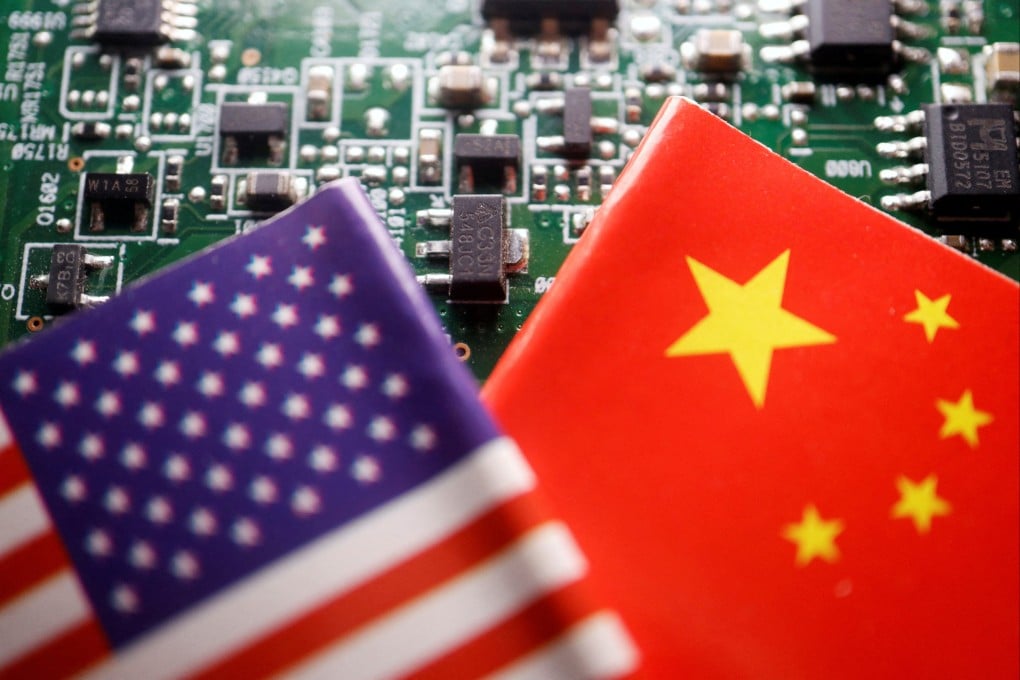
Market reaction was mixed after China’s statement. Asian tech stocks showed modest declines, while chip equipment makers faced heightened volatility. Investors are weighing the potential impact of sustained protectionist measures against the backdrop of slowing global demand for consumer electronics. Some analysts anticipate that prolonged tariff disputes could encourage regional diversification of supply chains, pushing manufacturers to explore alternatives outside the U.S. and China.
Diplomats from both sides have expressed interest in dialogue to de-escalate tensions, but concrete negotiation plans have not been announced. Washington officials say any delay in implementing tariffs will depend on future diplomatic engagements and assessments of national security risks. Business groups on both continents have called for clarity to help firms plan longer-term investments in semiconductor research and production.