6:03 am, Friday, 6 March 2026

Why Trump’s Greenland Obsession Signals a Deeper Risk to Transatlantic Ties

This week’s cover of The Economist focused on an idea that, until recently, seemed implausible: Donald Trump’s renewed interest in acquiring Greenland and what it reveals about America’s relationship with its allies.

The cover was planned well before the issue erupted into a serious diplomatic moment. When Trump publicly revived the idea of annexing Greenland, it triggered alarm across Europe and within NATO. The proposal may sound surreal, but it reflects a broader pattern in how Trump approaches alliances and power.

From a strategic standpoint, Greenland offers limited additional value to the United States. Trump has argued that the island could host elements of America’s missile-defence system. Yet the US already maintains a military presence there and could expand it without owning the territory. The political cost of annexation far outweighs any marginal security benefit.
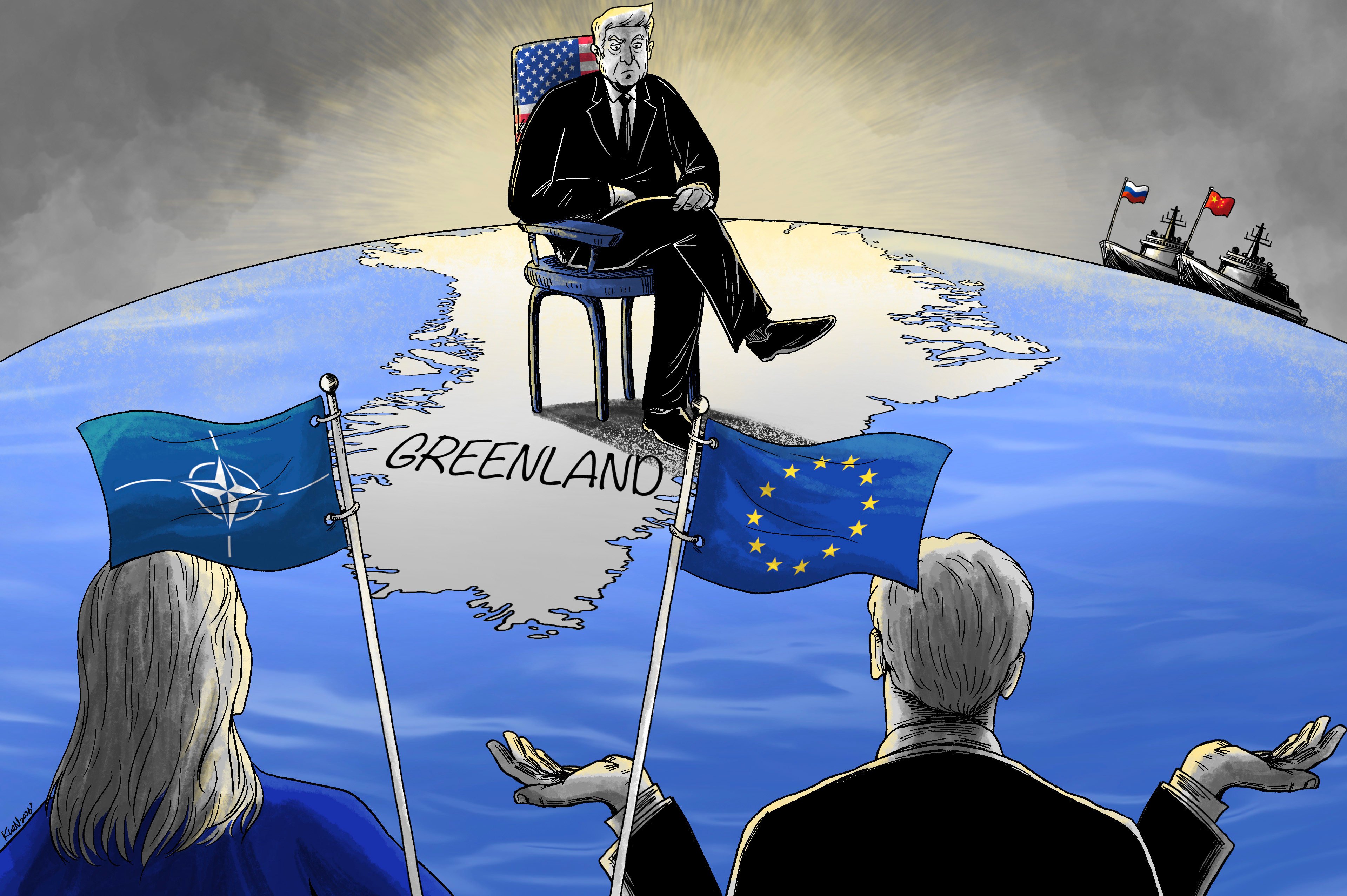
Greenland meltdown: what does Trump's quest mean for the global order and  China? | South China Morning Post

A Tactical Retreat, Not a Change of Belief

European leaders initially braced for confrontation. Instead, Trump softened his tone, temporarily pulling back on tariff threats and ruling out taking Greenland by force. New talks were offered, easing immediate tensions.

But this retreat came wrapped in familiar rhetoric. Trump again criticised NATO, claiming the US shoulders the burden while receiving nothing in return. His remarks toward Denmark—suggesting cooperation would be remembered, and refusal would not—carried an unmistakable edge.

The language matters. It reflects a worldview in which alliances are transactional and loyalty is conditional. While the immediate crisis cooled, the underlying assumptions remain intact.
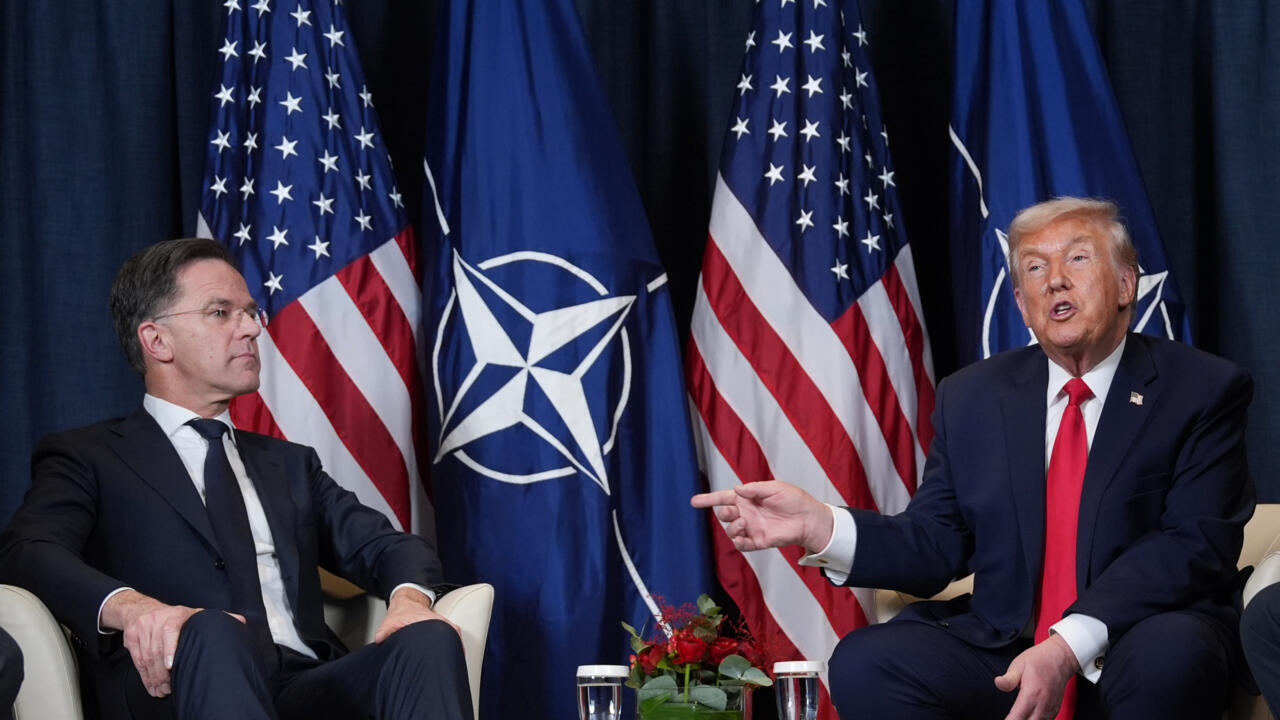
Trump sending 'positive messages' on not using military force in Greenland  - France 24

Why Europe Still Has Reason to Worry

Trump has pursued the Greenland idea for years. His skepticism of alliances, belief that partners exploit the US, and readiness to use economic pressure have not changed. In that sense, the latest episode may represent delay rather than abandonment.

Markets briefly reacted to the renewed uncertainty, underlining that America, too, has something to lose from repeated clashes with allies. Still, Trump appears convinced that Europe and Asia would suffer more from a rupture than Washington would.

Even if Greenland is no longer at the centre of the moment, the episode leaves a residue of mistrust. It reinforces a fear in Europe that transatlantic stability could once again be tested, not by rivals, but from within the alliance itself.


 

Popular Post

Why Trump’s Greenland Obsession Signals a Deeper Risk to Transatlantic Ties

06:17:23 pm, Monday, 26 January 2026

This week’s cover of The Economist focused on an idea that, until recently, seemed implausible: Donald Trump’s renewed interest in acquiring Greenland and what it reveals about America’s relationship with its allies.

The cover was planned well before the issue erupted into a serious diplomatic moment. When Trump publicly revived the idea of annexing Greenland, it triggered alarm across Europe and within NATO. The proposal may sound surreal, but it reflects a broader pattern in how Trump approaches alliances and power.

From a strategic standpoint, Greenland offers limited additional value to the United States. Trump has argued that the island could host elements of America’s missile-defence system. Yet the US already maintains a military presence there and could expand it without owning the territory. The political cost of annexation far outweighs any marginal security benefit.

Greenland meltdown: what does Trump's quest mean for the global order and  China? | South China Morning Post

A Tactical Retreat, Not a Change of Belief

European leaders initially braced for confrontation. Instead, Trump softened his tone, temporarily pulling back on tariff threats and ruling out taking Greenland by force. New talks were offered, easing immediate tensions.

But this retreat came wrapped in familiar rhetoric. Trump again criticised NATO, claiming the US shoulders the burden while receiving nothing in return. His remarks toward Denmark—suggesting cooperation would be remembered, and refusal would not—carried an unmistakable edge.

The language matters. It reflects a worldview in which alliances are transactional and loyalty is conditional. While the immediate crisis cooled, the underlying assumptions remain intact.

Trump sending 'positive messages' on not using military force in Greenland  - France 24

Why Europe Still Has Reason to Worry

Trump has pursued the Greenland idea for years. His skepticism of alliances, belief that partners exploit the US, and readiness to use economic pressure have not changed. In that sense, the latest episode may represent delay rather than abandonment.

Markets briefly reacted to the renewed uncertainty, underlining that America, too, has something to lose from repeated clashes with allies. Still, Trump appears convinced that Europe and Asia would suffer more from a rupture than Washington would.

Even if Greenland is no longer at the centre of the moment, the episode leaves a residue of mistrust. It reinforces a fear in Europe that transatlantic stability could once again be tested, not by rivals, but from within the alliance itself.