5:17 pm, Wednesday, 24 December 2025

OSAKA EXPO WINDS DOWN: WHAT LEGACY WILL JAPAN KEEP?

  • TPW DESK
  • 03:42:19 pm, Sunday, 12 October 2025
  • 65

Public space, tourism—and the bill—after the fair
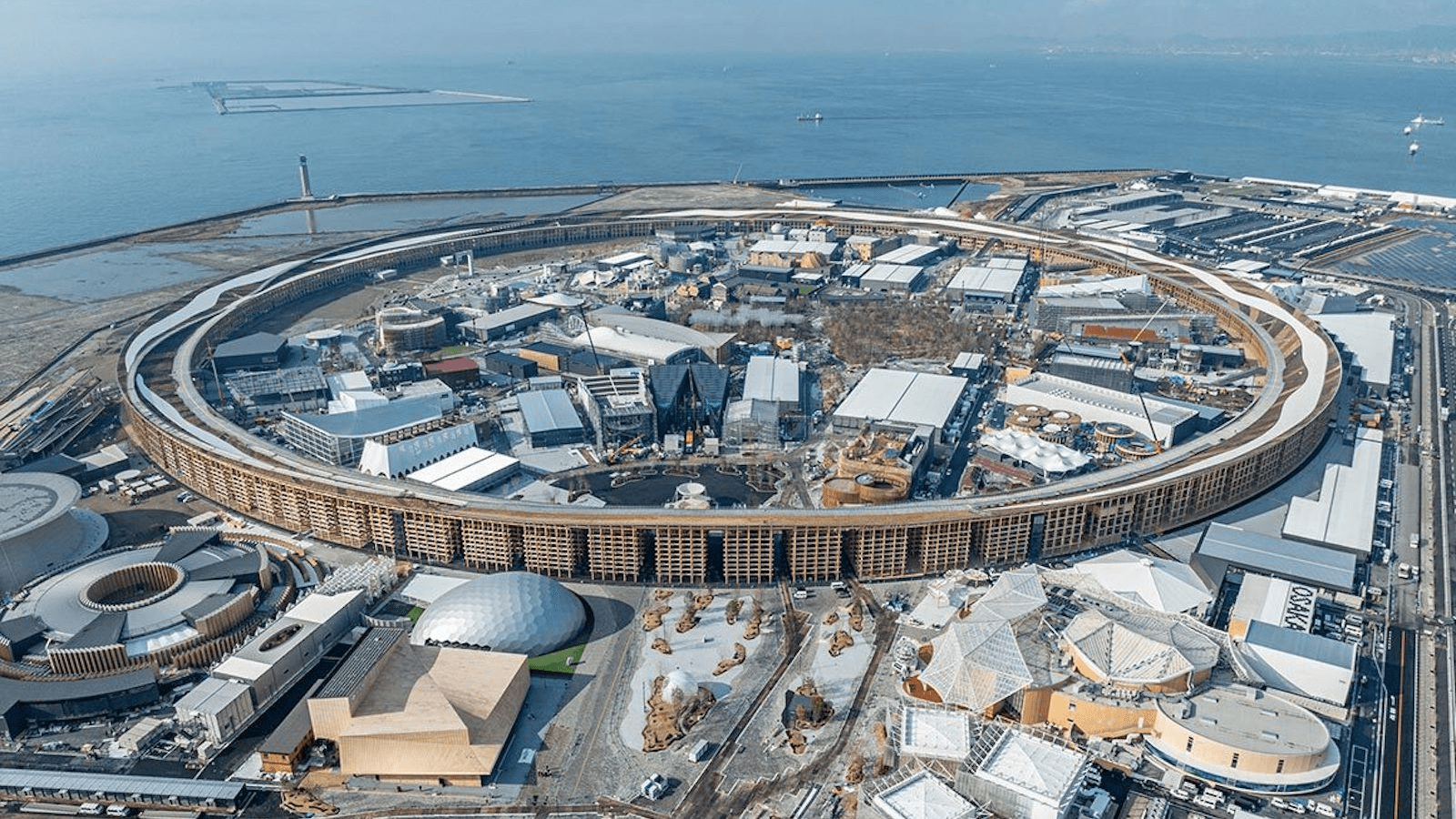
As Expo events wrap in Osaka, reflection has turned to the fair’s imprint on public space and tourism, The Japan Times reports. The parkland and gardens built or refurbished for crowds could remain a weekend refuge for residents in an 18-million-plus metro area. Local businesses saw surges in hospitality and retail; the question is whether that footfall translates into repeat visitors once pavilions close. City planners tout upgraded transit links and digital ticketing as long-term wins. Critics point to cost overruns and opportunity costs: funds that might otherwise have gone to housing or climate resilience.

Japan’s recent mega-events—from the Tokyo Olympics to regional festivals—offer mixed lessons. Where venues were adaptable, communities retained value; where they weren’t, maintenance liabilities lingered. Osaka officials say temporary structures will be recycled and that cultural programming will migrate to existing museums and waterfront venues. Stakeholders want the site to host rotating design, robotics, and green-tech showcases, aligning with Kansai’s industrial strengths and university labs.
Measuring lasting value
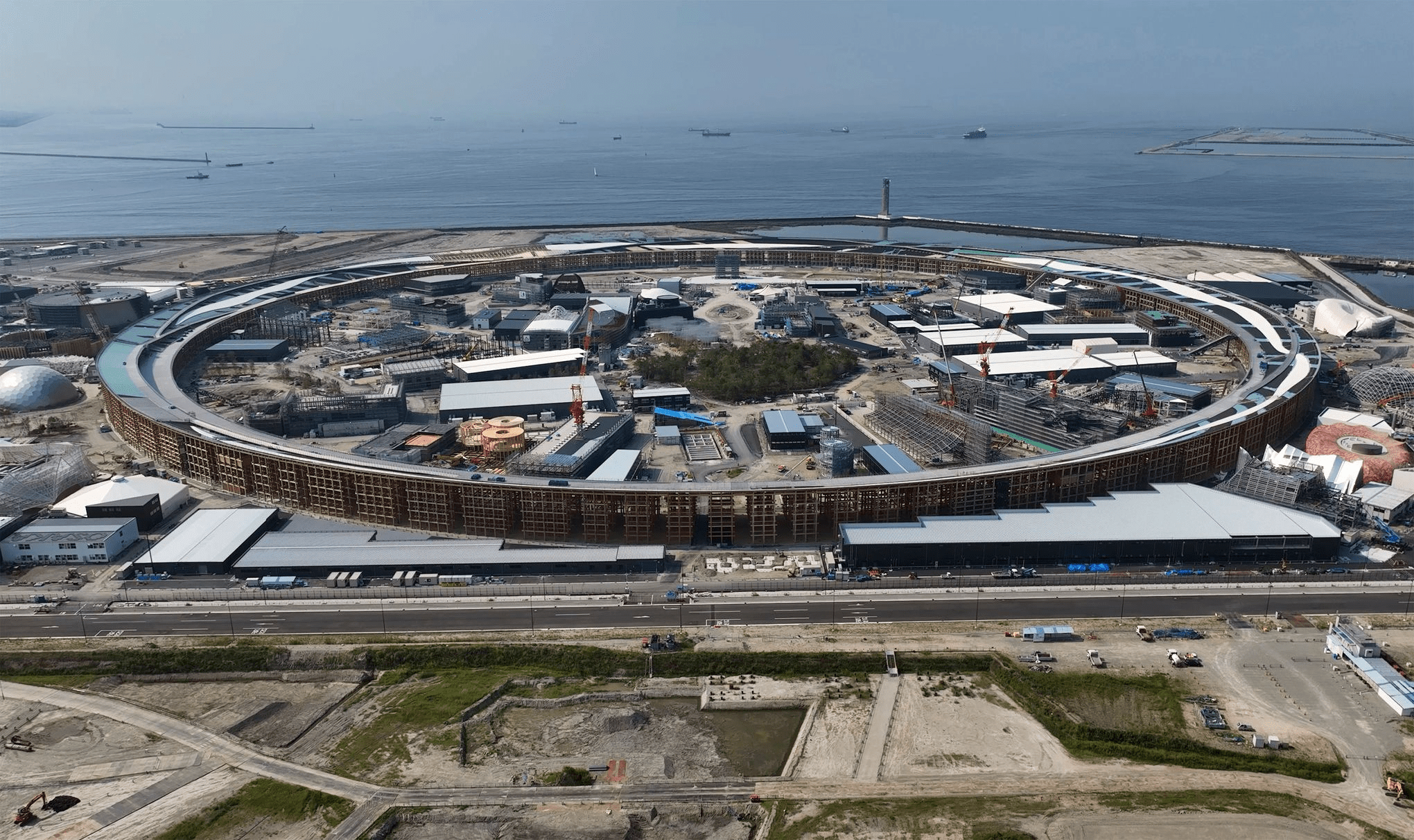
The metrics for legacy span beyond tourism receipts. Quality of life indicators—access to green space, commuting times, small-business vitality—matter to residents more than publicity shots. Urbanists will track whether pedestrian promenades and bike lanes survive post-fair traffic pressures. Environmental groups want audits on waste handling, energy use, and habitat effects. If lessons on crowd management, multilingual services, and universal design move into daily governance, the Expo’s soft legacy could outlast hardware.

Regional equity is another concern. Kansai leaders argue that balanced national growth requires marquee investments outside Tokyo. Converting temporary buzz into durable clusters—startups, conferences, creative industries—will test how well local government, academia, and business collaborate. With budgets tight and demographics aging, “do more with less” is the mantra. Osaka’s pitch: keep the parks open, keep the trains frequent, keep the programming fresh—and let the city’s everyday life be the draw.

OSAKA EXPO WINDS DOWN: WHAT LEGACY WILL JAPAN KEEP?

03:42:19 pm, Sunday, 12 October 2025

Public space, tourism—and the bill—after the fair
As Expo events wrap in Osaka, reflection has turned to the fair’s imprint on public space and tourism, The Japan Times reports. The parkland and gardens built or refurbished for crowds could remain a weekend refuge for residents in an 18-million-plus metro area. Local businesses saw surges in hospitality and retail; the question is whether that footfall translates into repeat visitors once pavilions close. City planners tout upgraded transit links and digital ticketing as long-term wins. Critics point to cost overruns and opportunity costs: funds that might otherwise have gone to housing or climate resilience.

Japan’s recent mega-events—from the Tokyo Olympics to regional festivals—offer mixed lessons. Where venues were adaptable, communities retained value; where they weren’t, maintenance liabilities lingered. Osaka officials say temporary structures will be recycled and that cultural programming will migrate to existing museums and waterfront venues. Stakeholders want the site to host rotating design, robotics, and green-tech showcases, aligning with Kansai’s industrial strengths and university labs.

Measuring lasting value
The metrics for legacy span beyond tourism receipts. Quality of life indicators—access to green space, commuting times, small-business vitality—matter to residents more than publicity shots. Urbanists will track whether pedestrian promenades and bike lanes survive post-fair traffic pressures. Environmental groups want audits on waste handling, energy use, and habitat effects. If lessons on crowd management, multilingual services, and universal design move into daily governance, the Expo’s soft legacy could outlast hardware.

Regional equity is another concern. Kansai leaders argue that balanced national growth requires marquee investments outside Tokyo. Converting temporary buzz into durable clusters—startups, conferences, creative industries—will test how well local government, academia, and business collaborate. With budgets tight and demographics aging, “do more with less” is the mantra. Osaka’s pitch: keep the parks open, keep the trains frequent, keep the programming fresh—and let the city’s everyday life be the draw.